
Fall Planting Guide for Midwestern Clay Soils
The crisp air and changing leaves signal that autumn has arrived in the Chicagoland area. While many homeowners intuitively think of spring as the prime time for gardening, fall is actually a landscaper's secret weapon for building a thriving, resilient property. If you live in this region, you are likely intimately familiar with the unique challenges of our native clay soil. It is incredibly nutrient-rich but notoriously dense, making drainage difficult and initial root establishment tricky for young plants. The good news is that with the right preparation, the autumn season provides the absolute perfect conditions for upgrading your yard. In this comprehensive guide, our team at Outdoor Masters will walk you through how to turn that heavy, compacted earth into a welcoming home for new trees, shrubs, and perennials before the ground freezes. Whether you are looking for a complete yard overhaul or just want to add some seasonal color, understanding how to work with our specific soil type is the first step toward a beautiful, low-maintenance outdoor space.
Why Fall is the Ideal Time for Planting
Many property owners wonder when the optimal time is to introduce new additions to their yard. In our distinct climate, autumn perennial garden installation and tree planting offer significant advantages over spring. During September and October, the soil retains the deep warmth it gathered throughout the summer. This warm soil encourages rapid, vigorous root growth. At the same time, the cooler air temperatures significantly reduce stress on the leafy tops of the plants, meaning they require less energy to survive and can focus entirely on establishing their root systems. Furthermore, autumn traditionally brings more reliable rainfall, which reduces the amount of manual watering required to keep new installations hydrated.
Improving Heavy Clay Soil for Landscaping
The earth beneath our lawns is famously heavy and clay-based. While clay holds onto vital nutrients exceptionally well, it compacts very easily and drains poorly. Before you place a single root ball into the ground, soil amendment is an absolute must. We highly recommend incorporating generous amounts of organic matter, such as high-quality compost, leaf mold, or aged manure, into your garden beds. Working this organic material into the top layers of the earth breaks up the dense clay particles. This process dramatically improves aeration and gives delicate new roots the loose, breathable environment they need to spread outward. It is crucial to avoid working or tilling the earth when it is soaking wet, as this can inadvertently make the compaction much worse. For larger property upgrades, investing in professional landscaping ensures that the soil grading and composition are expertly handled from day one.
Selecting the Right Native Plants
Choosing the appropriate plant life is half the battle when dealing with dense, challenging earth. Native plants have spent thousands of years adapting to our exact climate and regional soil conditions. Because of this, they naturally develop deep, robust root systems that can easily penetrate hard earth and withstand both our dry summer stretches and our freezing winters.
Consider incorporating deep-rooted prairie natives like Purple Coneflower, Black-eyed Susan, or Butterfly Weed into your landscape beds. These eco-friendly options require minimal chemical treatments and support local pollinators. If your neighborhood is proud of its mature canopy, you likely value the shade and beauty trees provide. When adding new saplings, species like the Swamp White Oak or River Birch are excellent choices that tolerate poorly draining earth remarkably well.
If your property borders The Prairie Path or local forest preserves, you also know that hungry wildlife can be just as challenging as the soil itself. Thankfully, many of these native selections naturally double as effective deer-resistant landscaping plants, allowing you to enjoy your garden without it becoming a local buffet.
Solving Backyard Drainage Issues
Heavy earth often leads to a very common frustration: standing water. If you are noticing soggy, muddy spots in your yard after heavy autumn rains, taking action now is essential. Planting thirsty, moisture-loving native plants can act as a natural sponge for minor damp areas. However, for more severe pooling that threatens your lawn's health or your home's foundation, you may need to look into professional grading adjustments or the installation of proper drainage systems to effectively pull water away from the property.
Integrating Planting with Your Outdoor Living Spaces
The transition into autumn is not just about gardens and greenery; it is also a highly strategic time to plan and install hardscaping. Upgrading your outdoor living areas during the cooler months means your yard will be completely settled, clean, and ready to enjoy the very moment the warm weather returns.
If you have been dreaming of a new gathering space for family and friends, designing and installing patios during the fall is an incredibly smart move. Not only does the mild weather make the construction process much smoother, but any new trees, shrubs, or privacy hedges planted around the perimeter of your new gathering space will have months to establish their roots before they have to perform in the intense summer heat. Imagine stepping outside with your morning coffee next spring onto a beautiful custom paver surface, surrounded by healthy, robust greenery that you thoughtfully established this year.
Preparing Landscape Beds for Winter Dormancy
Once your new plants are safely in the ground and your soil has been properly amended, the final step of your autumn property care is winter preparation. Extreme Midwestern seasonal shifts can be brutal on young plants, especially those that have not had a full calendar year to acclimatize to their new environment.
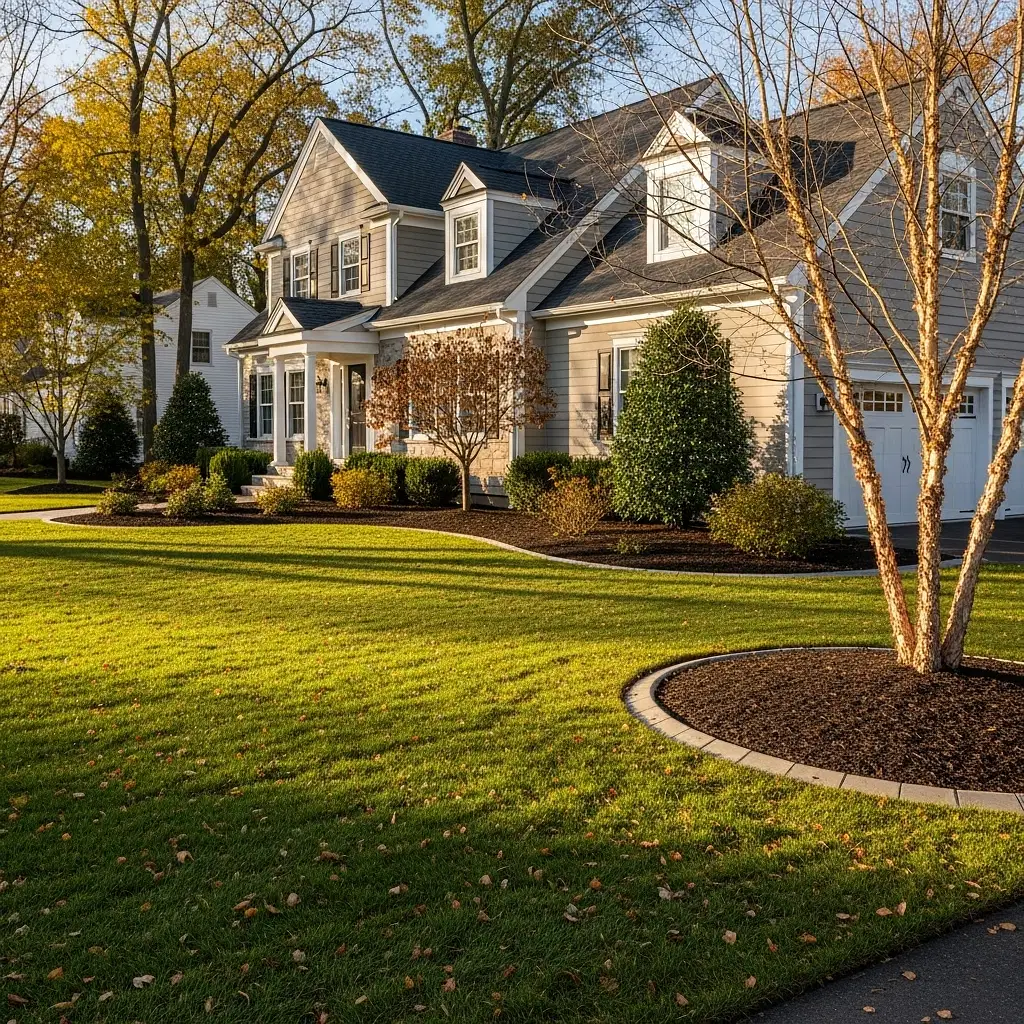
To protect your landscaping investment, apply a generous two-to-three-inch layer of shredded hardwood mulch around the base of all new plantings. This natural layer acts as an insulating blanket for the soil, regulating temperatures and preventing the destructive freeze-thaw cycles that can literally heave young root systems out of the earth. Just be sure to keep the mulch pulled a few inches away from tree trunks and the base of plant stems to prevent excess moisture buildup and deter pests from nesting.
Let Outdoor Masters Transform Your Yard
Tackling heavy clay soil, planning complex designs, and preparing your property for the shifting seasons can be a significant undertaking. Whether you need an expert hand selecting the perfect eco-friendly native plants, solving persistent drainage headaches, or designing the ultimate outdoor entertainment space for your family, Outdoor Masters is here to help our neighbors across DuPage County. Our deep understanding of the local climate, commitment to high-quality workmanship, and transparent communication ensure your property will not only survive the upcoming freeze but thrive for years to come. Ready to make the most of this prime planting season? Contact us today to discuss your vision and let our team bring your dream landscape to life.