
Hardscaping vs Landscaping: Creating Perfect Balance in Your Backyard
When you look out your back window, what do you see? For many homeowners across Chicagoland, the backyard is a blank canvas filled with endless potential, yet figuring out exactly how to bring that vision to life can feel overwhelming. One of the most common questions we hear at Outdoor Masters is about the fundamental difference between landscaping and hardscaping, and how much of each is needed to create a truly inviting outdoor space.
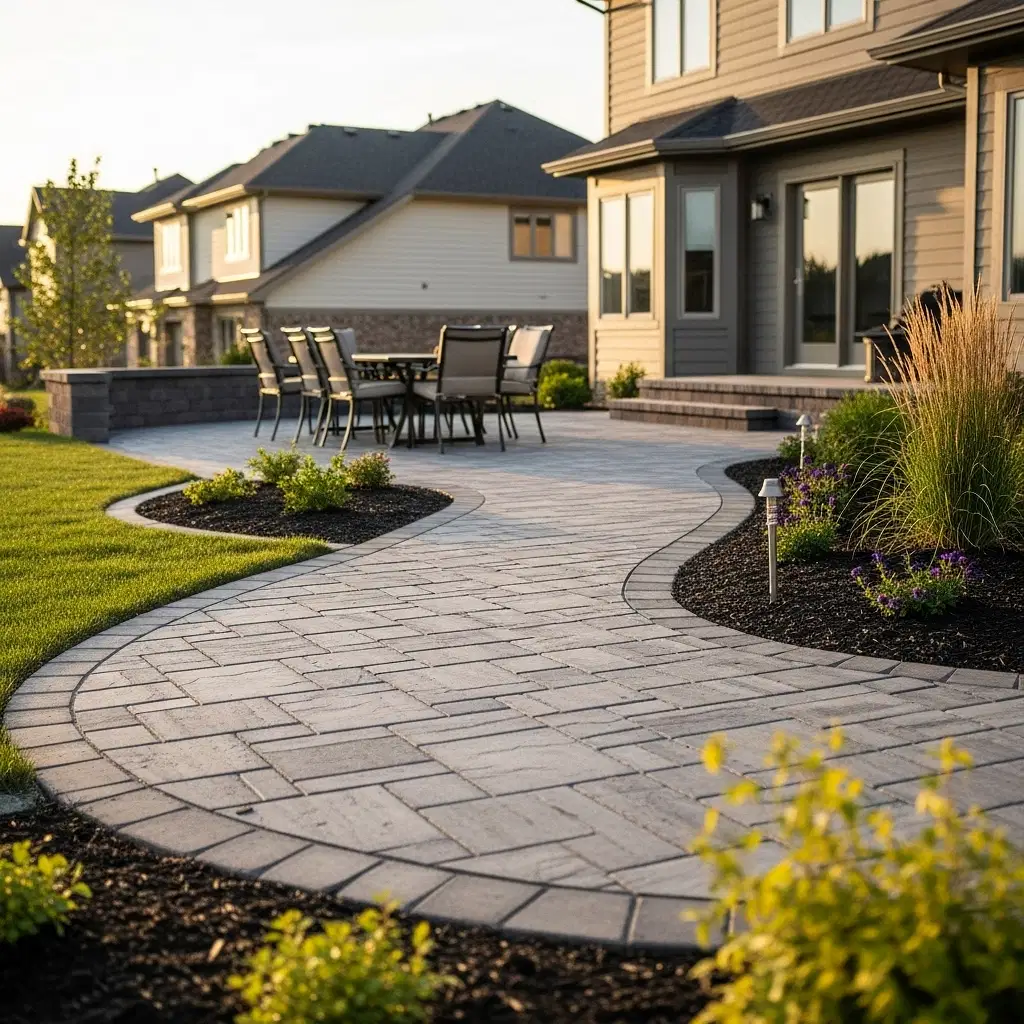
In simple terms, hardscaping refers to the solid, non-living structural elements of your yard. Think of natural stone patios, retaining walls, walkways, and wooden shade structures. Landscaping, often referred to as softscaping in the design world, encompasses the living, breathing elements—your trees, shrubs, perennial flowers, and grass.
Finding the sweet spot between these two components is the secret to a stunning, functional yard. Whether you are dealing with a sprawling suburban property in Aurora or looking to maximize the usable space near a narrow gangway, achieving harmony between stone and soil transforms an ordinary yard into a true extension of your home. A well-designed yard not only improves your home's resale value but also enriches your daily life by providing a private retreat right outside your door.
The Foundation: Why Hardscaping Matters
Before planting a single shrub, it is crucial to establish the bones of your outdoor space. Hardscaping dictates the flow, function, and usability of your property. In recent years, there has been a massive shift toward creating comprehensive outdoor living areas that act as open-air family rooms.
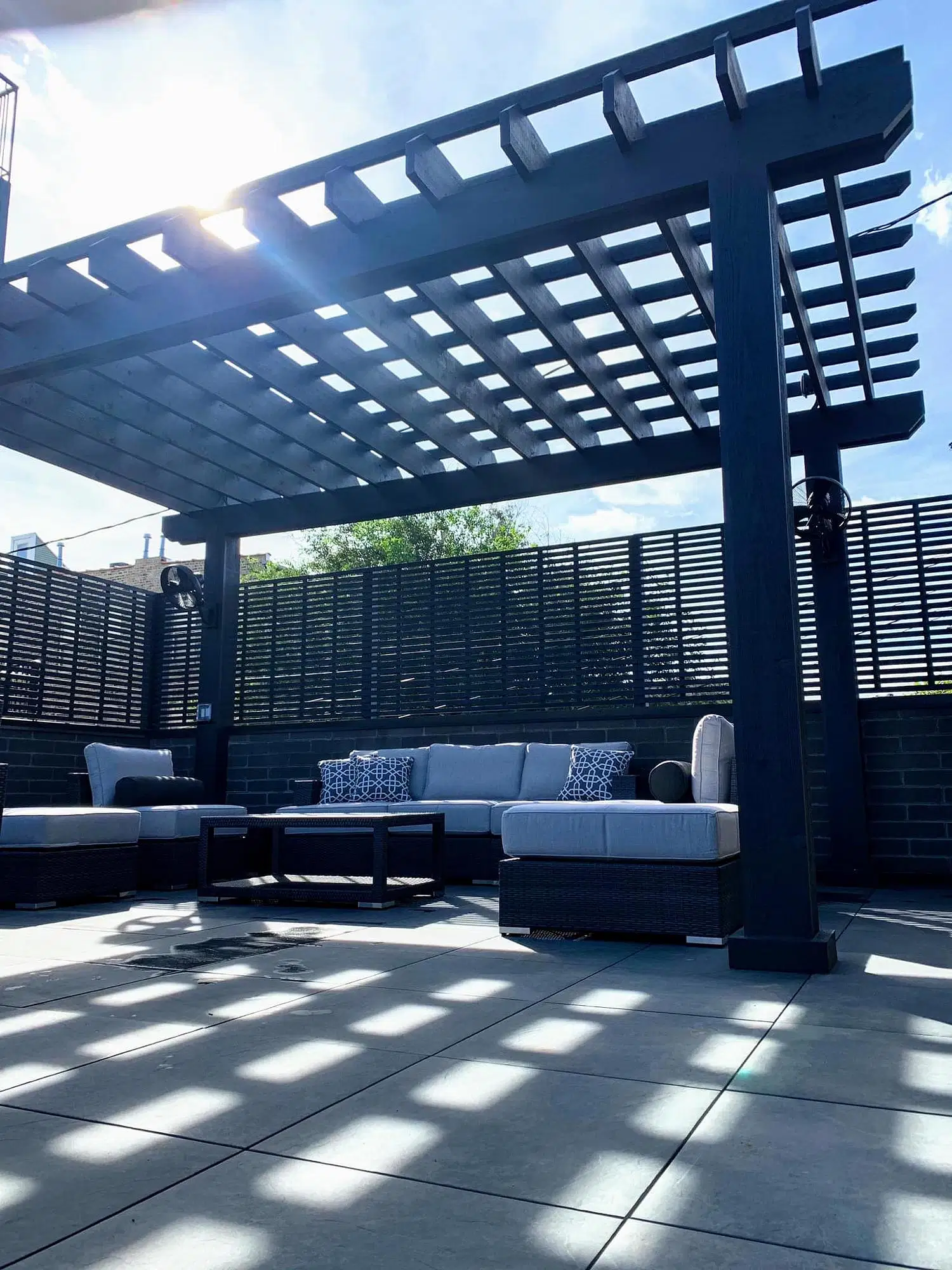
Structures like pergolas, pavilions, and decks provide essential shelter and definition, turning an open lawn into a purposeful gathering space. Hardscaping also solves practical problems. For example, retaining walls can manage sloped terrains, while properly graded patios and strategic pathways can direct water away from your foundation, helping to fix common yard drainage issues that plague many local properties.
When integrating hardscape structures with garden design, the goal is to soften the hard edges. A large expanse of concrete or stone can feel cold and uninviting if left on its own. By planning for garden beds, planter boxes, or climbing vines around your hardscaping, you ensure that the built environment feels like a natural part of the surrounding ecosystem rather than an imposition on it.
Bringing It to Life: The Power of Landscaping
Once the structural foundation is set, professional landscaping breathes life, color, and movement into the yard. If hardscaping is the architecture, landscaping is the interior design. But learning how to balance hardscape and softscape requires an understanding of how plants grow, change, and interact with their environment throughout our distinct Midwestern seasons.
Today, homeowners are prioritizing eco-friendly and sustainable options. There is a growing trend toward native plant landscaping and pollinator-friendly gardens that thrive in our regional climate without requiring excessive resources. Choosing the right low-maintenance plants for our region not only reduces the time you spend pulling weeds but also helps conserve water. When paired with modern technology like smart irrigation systems, you can maintain a lush, vibrant yard even during the hottest, driest weeks of summer.
Softscaping also plays a functional role in privacy. Instead of relying solely on fences, many homeowners use strategically planted evergreens or tall ornamental grasses to screen their outdoor living spaces from neighbors, creating a softer, more organic boundary.
Planning Your Project: Timing, Costs, and Choosing a Partner
One of the biggest hurdles homeowners face is knowing when to start planning. Because of our region's seasonal fluctuations, the best time of year to start a landscaping project is actually during the winter months. Planning while the ground is frozen allows you to secure your spot on a contractor's schedule for early spring, ensuring your yard is ready to enjoy by the time summer arrives.
Cost is always a primary consideration, and rising materials costs have made accurate project estimation more critical than ever. The total investment depends heavily on the materials chosen and the scale of the project. While high-quality hardscaping requires a larger upfront investment, its durability and low ongoing maintenance often balance out the costs over time.
When selecting a reliable and licensed contractor, prioritize companies that offer transparent pricing, carry proper insurance, and have a strong portfolio of local projects. At Outdoor Masters, we pride ourselves on exceptional craftsmanship, clear communication, and a dedication to building spaces that stand the test of time.
If you are ready to transform your yard and find the perfect harmony between structure and nature, we are here to help. Contact us today to schedule a consultation with our team in Aurora, and let us start designing an outdoor space you will love for years to come.