
Preparing Your Backyard Decks and Railings for Winter in Chicagoland
As the vibrant autumn leaves begin to fall across Chicagoland, homeowners know that freezing temperatures, biting winds, and heavy snowfall are just around the corner. If you live in Aurora or the surrounding communities, preparing your outdoor living spaces for the harsh Midwest winter is an essential seasonal ritual. While many people focus on interior winterization, your exterior structures take the brunt of the extreme weather. Without proper preparation, the freeze-thaw cycle can wreak havoc on your outdoor investments, leading to costly repairs when spring arrives.
At Outdoor Masters, we understand that your backyard is an extension of your home. Whether you are hosting crisp autumn gatherings around a fire pit or simply enjoying a quiet morning coffee, your outdoor living areas deserve year-round protection. Many homeowners rely on professional landscaping services to winterize their lawns and gardens, but it is equally important to focus on your hardscape elements. Taking the time to properly maintain and protect your outdoor structures now will extend their lifespan, ensure they remain safe for your family, and keep them looking beautiful for years to come. In this guide, we will walk you through the essential steps to prepare your backyard for the ice and snow ahead.
The Pre-Winter Cleanup and Thorough Inspection
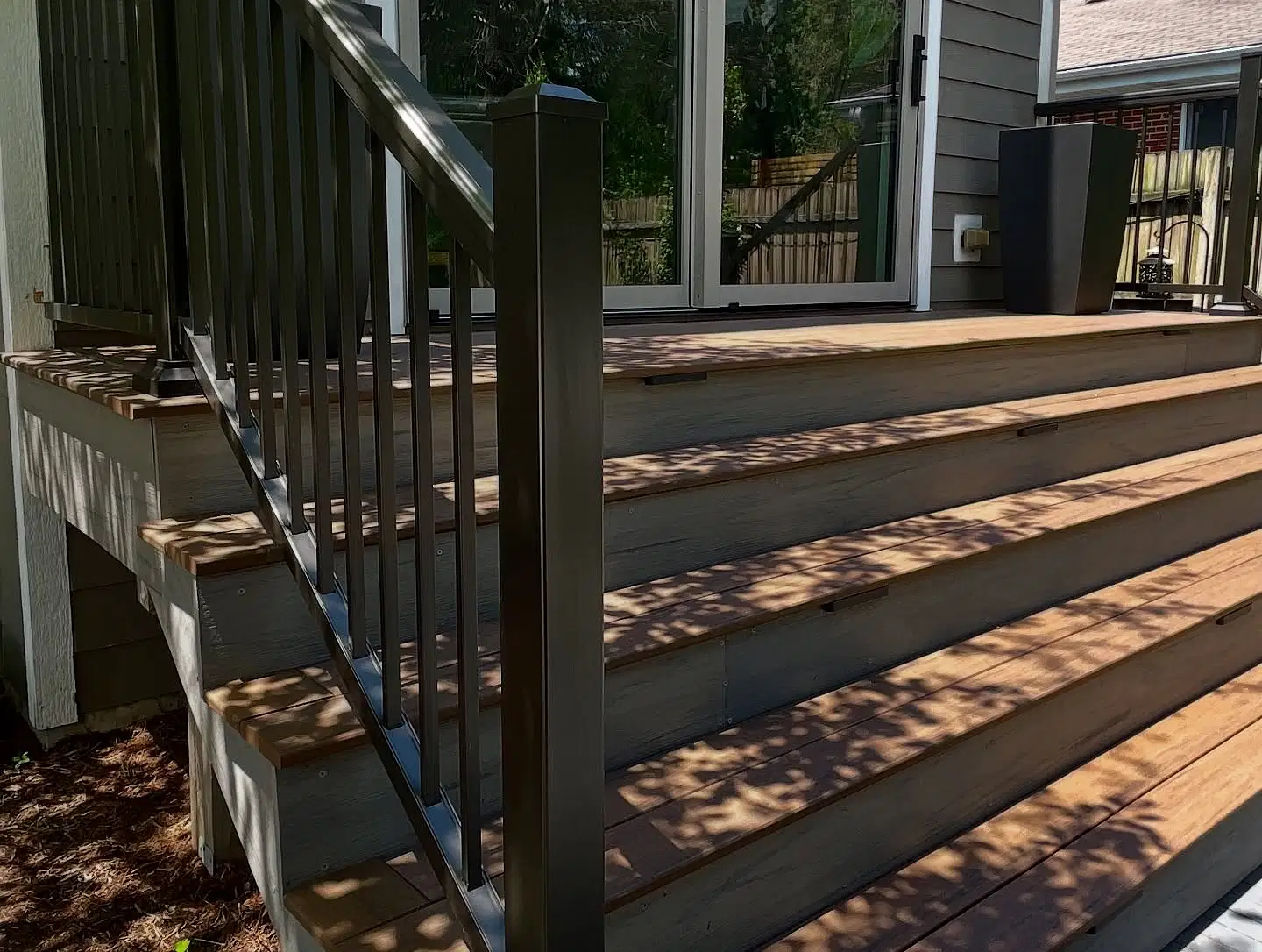
The first step in preparing for winter is a comprehensive cleaning and structural inspection. Before the first major frost hits, remove all patio furniture, planters, and decorative items from your outdoor spaces. Storing these items in a garage or shed prevents them from trapping moisture against the floorboards, which can accelerate rot and discoloration. If you have heavy items that must remain outside, consider elevating them slightly to allow for proper airflow underneath.
Once the area is clear, sweep away all dirt, pine needles, and fallen leaves. Pay special attention to the gaps between the boards; debris trapped in these crevices retains moisture and expands when frozen, which can warp or crack the material over time. After sweeping, wash the surface using a mild, specialized cleaner to remove mold, mildew, and stubborn grime.
With a clean surface, conduct a meticulous inspection of the entire structure. Walk the perimeter, checking for loose floorboards, protruding nails, or splinters. Give your outdoor safety barriers a firm shake to ensure they are completely secure—high winter winds and the weight of accumulated snow can easily compromise unstable fixtures. If you discover structural issues, wobble, or signs of deep wood rot, it is best to address them immediately. Utilizing professional carpentry solutions before the snow falls ensures that minor vulnerabilities do not turn into major structural failures during a mid-winter blizzard.
Moisture Control: Sealing Wood and Protecting Composites
Preventing winter moisture damage on outdoor decks is arguably the most critical aspect of seasonal preparation. The constant cycle of snow melting during sunny winter afternoons and refreezing overnight forces water deep into the pores of unprotected materials.
If you have a traditional wood structure, applying a high-quality, water-repellent sealant is vital. You should ideally seal the wood every one to two years. A simple way to test if you need a new coat is to pour a small amount of water onto the surface. If the water beads up, your current seal is still effective. If the water quickly absorbs into the wood, turning it dark, it is time to apply a fresh coat of weatherproofing sealant. Make sure you apply the sealant on a dry, clear day with moderate temperatures to allow it to cure properly.
For homeowners with modern synthetic materials, the preparation process is slightly different. People frequently ask us how to protect composite deck from snow and ice, assuming that because the material is engineered, it requires zero maintenance. While composites are highly resistant to moisture and rot, they are not entirely invincible. Winter preparation for composites focuses heavily on eliminating standing water. Ensure your drainage systems and gutters are directing melting snow away from the structure. If your home has a narrow side gangway leading to the backyard, make sure drainage channels in that area are clear so water doesn't pool and freeze at the base of your outdoor structures. Giving composites a thorough scrub with warm, soapy water before the freezing weather sets in will prevent surface mold from developing under the winter snowpack.
Navigating Snow Removal and Ice Management
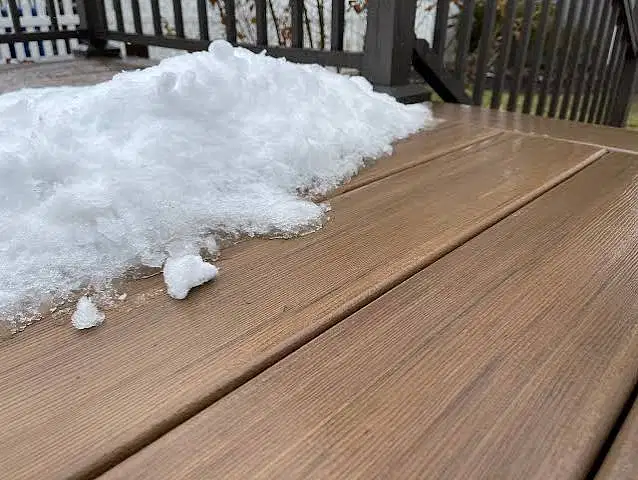
Once the Midwest winter truly arrives, managing snow and ice buildup becomes an ongoing task. How you handle snow removal can mean the difference between a pristine outdoor space in the spring and one covered in deep scratches and chemical stains.
First, never use a metal shovel on your backyard surfaces. Metal blades will easily gouge wood, strip away weather-resistant sealants, and permanently scratch composite boards. Instead, always use a plastic shovel or a push broom with stiff bristles. When clearing snow, shovel parallel to the boards rather than across them to minimize the risk of catching an edge and damaging the material.
Dealing with ice buildup is another common challenge. Finding a safe ice melt for wood and composite decks is crucial because standard rock salt (sodium chloride) is highly abrasive. When ground into the surface by foot traffic, rock salt acts like sandpaper, destroying the finish. Furthermore, as rock salt dissolves, it can draw moisture out of natural wood, leading to severe cracking and splintering.
Instead of rock salt, opt for calcium chloride-based ice melts. Calcium chloride is much gentler on both natural and synthetic decking materials, operates effectively at lower temperatures, and is less likely to leave a chalky white residue. However, use any chemical de-icer sparingly. As soon as the ice has melted, use a broom to sweep the remaining pellets off the surface to prevent long-term chemical exposure. For added traction without the use of melting agents, consider using pet-safe sand or even plain kitty litter, being mindful to sweep it away once the weather clears.
Partner with the Experts for a Worry-Free Winter
Properly preparing your outdoor living areas requires time, attention to detail, and a proactive approach to maintenance. By cleaning thoroughly, addressing structural weaknesses, and using the right techniques for moisture control and snow removal, you can confidently protect your property through the coldest months of the year.
As one of the leading landscaping companies in the region, Outdoor Masters is dedicated to helping you maintain the beauty and safety of your home's exterior. Whether you need a comprehensive inspection of your decks, an upgrade to your protective railings, or expert advice on seasonal maintenance, our experienced team is here to help.
Don't wait until the first blizzard hits Aurora to think about your backyard. Contact Outdoor Masters today to schedule a consultation and ensure your outdoor spaces are perfectly prepped for whatever the Midwest winter brings.