
Preserving Charm: How to Design a Luxury Outdoor Space for Your Historic Home
Owning a historic home in the Chicagoland area is a unique privilege. These properties possess a character and story that can't be replicated, from stately Victorians to iconic Prairie School designs. But how do you extend that timeless elegance to your outdoor spaces without compromising architectural integrity? Creating a modern, functional backyard that feels like a natural extension of your historic home requires a thoughtful approach that balances contemporary luxury with classic design principles. It’s about enhancing, not overpowering, the original charm.
Many homeowners worry that adding modern amenities like an outdoor kitchen or a spacious patio will clash with their home's period style. The key is in the details—thoughtful design, appropriate material selection, and expert craftsmanship. This guide will walk you through the essential considerations for transforming the grounds of your historic property into a stunning and harmonious outdoor living area.
Start with the Story: Honoring Your Home's Architectural Roots
Before the first stone is laid, the most crucial step is to understand and respect your home's history. A Queen Anne home calls for a different landscape design than a Craftsman bungalow or a Colonial revival. The goal is to create a cohesive look where the house and garden feel like they were designed together.
Consider these foundational principles:
- Architectural Harmony: Look at the lines, materials, and details of your home. A landscape design should echo these elements. For example, the formal symmetry of a Georgian home might call for structured garden beds and straight pathways, while a more rustic Arts and Crafts home would be complemented by naturalistic plantings and winding stone paths.
- Scale and Proportion: The size and placement of new features like patios, walkways, and pergolas should be in proportion to the house. A massive, modern patio can overwhelm a quaint historic cottage, while a small, understated feature might get lost next to a grand estate.
- A Sense of Establishment: The landscaping should feel as though it has matured with the home. This involves choosing plants and materials that evoke a sense of permanence and timelessness, avoiding fleeting trends that will quickly date your property.
Blending Modern Comfort with Timeless Design
The desire for a functional outdoor living area is a modern trend, but it can be seamlessly integrated into a historic setting. The focus should be on creating spaces that enhance your lifestyle while respecting the property's character. This is where custom solutions and expert craftsmanship become essential.
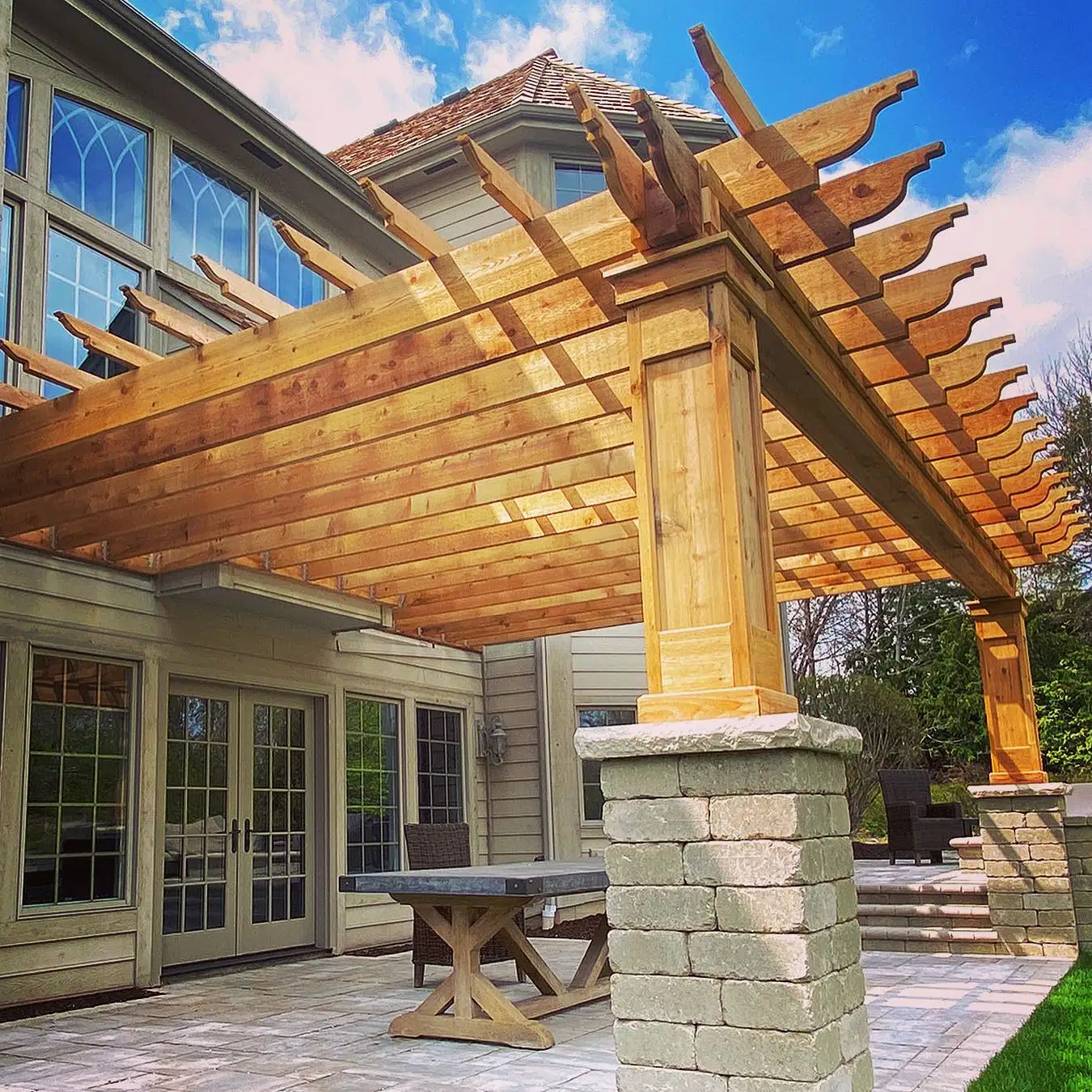
Imagine a custom-built pergola designed with millwork that mirrors the trim on your home's eaves, creating a perfect transition from indoors to out. Or consider a secluded patio that serves as a private retreat for morning coffee or evening relaxation. High-quality carpentry allows for the creation of bespoke features—from elegant privacy screens to classic arbors—that are both beautiful and period-appropriate. These structures define distinct 'rooms' within your landscape for dining, lounging, or entertaining, making your yard a true extension of your living space.
The Art of Material and Plant Selection
Materials are the vocabulary of your landscape design; they speak volumes about its quality and style. For historic homes, it's best to choose materials that are either authentic to the period or have a timeless quality.
- Hardscaping: Natural stone like bluestone or flagstone offers an organic, established look that complements older architecture far better than many contemporary concrete pavers. Reclaimed brick can also be a wonderful choice for creating pathways and patios that feel original to the property.
- Woodwork: For decks, pergolas, and fences, select woods that age gracefully, such as cedar or ipe. The design of these structures should be classic and sturdy, reflecting a tradition of quality craftsmanship.
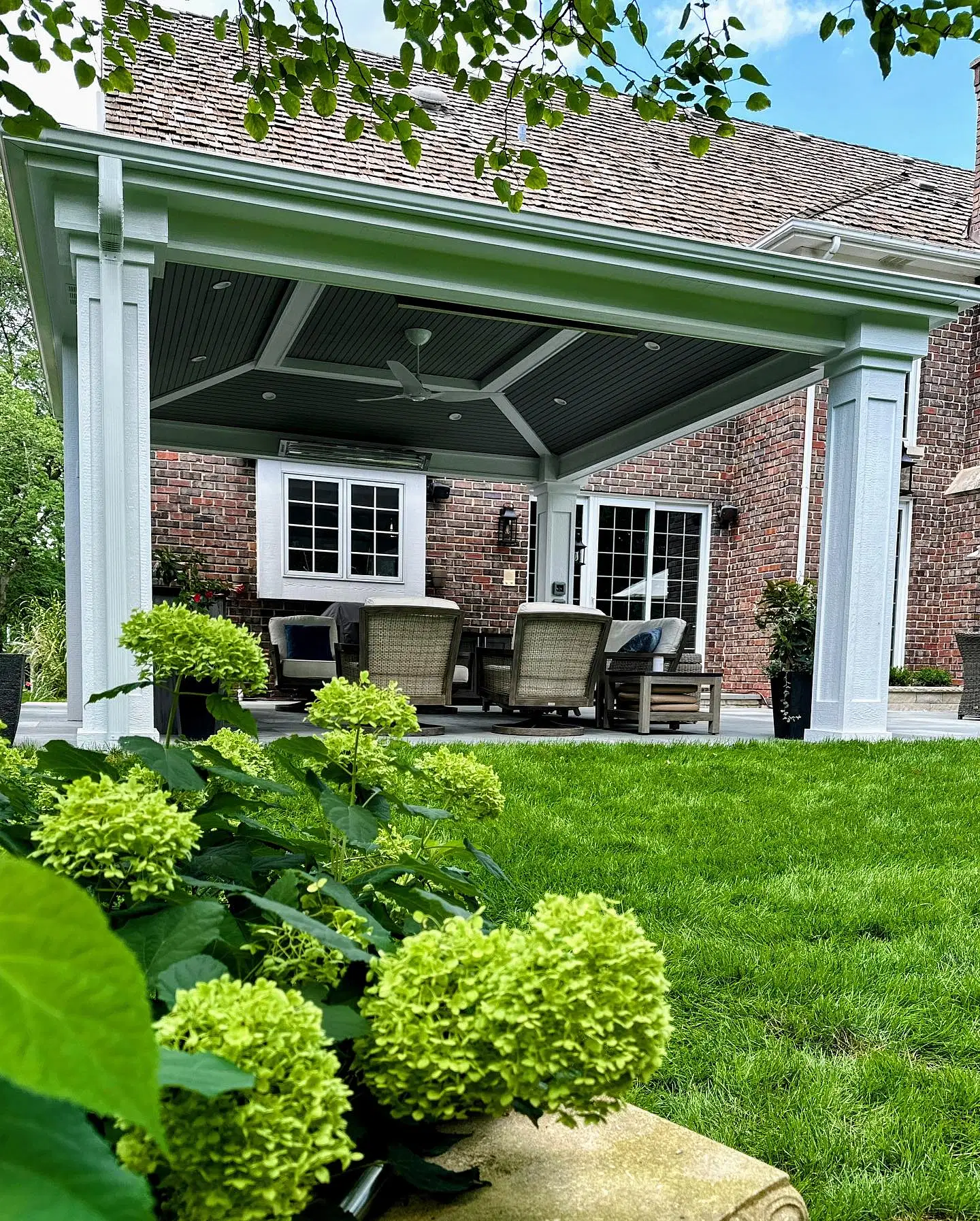
- Planting Palette: Your plant choices complete the picture. A thoughtful landscaping plan for a historic home often includes a mix of foundational evergreens for year-round structure, classic flowering shrubs like hydrangeas and roses, and perennial beds that provide seasonal color. Incorporating native plants is a fantastic way to create a sustainable garden that supports local ecology and thrives in the DuPage County climate, all while maintaining a natural, timeless aesthetic.
Bring Your Historic Home's Landscape to Life
Creating a luxurious outdoor living space for your historic home is a delicate art. It requires a deep appreciation for the past combined with the expertise to implement modern comforts in a harmonious way. By focusing on architectural integrity, selecting timeless materials, and employing thoughtful design, you can create a landscape that not only enhances your home's curb appeal and value but also enriches your daily life.
If you're ready to restore the grounds of your historic property in the Chicagoland area, our team at Outdoor Masters is here to help. We specialize in designing and building custom outdoor living areas, from elegant pergolas to complete landscape transformations. Contact us today for a consultation to explore the possibilities for your unique home.